
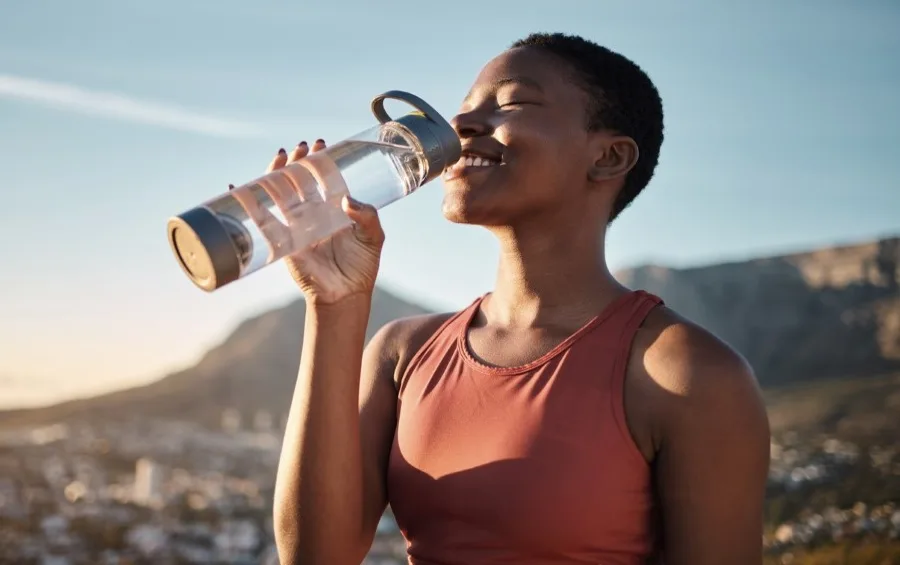
Kratom, also known as Mitragyna speciosa, is gaining popularity in the United States for its recreational effects as well as its potential health benefits. It’s 100% natural and plant-based, which makes it appealing to many people who want to avoid artificial ingredients and chemicals. However, as with any supplement, kratom may cause side effects in some individuals. Some of these side effects concern kratom and hydration.
To get the most out of your kratom experience it’s important to understand how it may affect your body. Always use kratom safely and responsibly. Kratom use is not appropriate for anyone under the age of 18, as well as people who are pregnant, breastfeeding, or individuals with certain underlying health conditions. If you have any health conditions or take prescription medications, always talk to your doctor before using kratom or other herbal supplements.
However, even healthy adults may occasionally experience unwanted side effects from using kratom. One common concern is dehydration. In this article, we’ll explain what you need to know about kratom and hydration so you can optimize your experience with this powerful plant and avoid its potential pitfalls.
Does Kratom Cause Dehydration?
Although kratom has been used for centuries in Southeast Asia, science has only been studying it for a few decades. There’s still a lot we don’t understand about kratom, its alkaloids, and their benefits for the brain and body. When it comes to the side effects of kratom, many reports are still largely anecdotal and haven’t been verified by researchers.
However, it is well documented that many plants containing alkaloids act as natural diuretics. A diuretic is any substance that stimulates the kidneys to increase urine production. Alcohol and caffeine are both common diuretics — that’s why you may need to use the restroom more frequently when you’re enjoying that cold brew or sipping cocktails.
Aside from the inconvenience, diuretics may also lead to electrolyte imbalances in some individuals. If you don’t drink water or other non-diuretic beverages to replenish your fluids, you may become dehydrated.
Anecdotally, some kratom users have also described certain side effects that may contribute to dehydration:
Gastrointestinal Symptoms: If you’re not accustomed to kratom, high doses may induce gastrointestinal symptoms like diarrhea and vomiting. This can cause fluid loss, and why it’s very important to always start with the lowest possible dose and slowly work your way up.
Excess Perspiration: Some users report that taking certain kratom strains increases their heart rate and causes excess perspiration. Sweating is our body’s natural way of cooling itself, but as with urination, it’s vital to replace the moisture you’re losing due to sweat; otherwise, you can become dehydrated.
Reduced Thirst Cues: When you feel thirsty, it’s a sign that you need more hydration. While kratom is reported to occasionally cause dry mouth in some individuals, there are also anecdotes of users experiencing reduced thirst cues. In other words, certain people using kratom may not drink enough water or other fluids because they don’t feel as thirsty as they normally would.
Forgetting to Drink: One of the many benefits of kratom is that users often report an increased sense of focus and concentration. More focus isn’t a negative effect on its own, but if you’re too wrapped up in a particular task or activity, you might forget to drink! Some kratom users may become dehydrated simply because they’re not monitoring their water intake and letting too much time pass between drinking.
Avoid Dehydration While Using Kratom
The good news is that any issues surrounding kratom and hydration are easy to avoid. Just drink more water! (Or other nonalcoholic, noncaffeinated beverages.)
That said, it’s important to know the symptoms of dehydration. While kratom dehydration can manifest differently for different people, the most common signs are:
- Feeling thirsty
- Feeling dizzy, light-headed, and/or fatigued
- Headache
- Dark, strong-smelling urine
- Urinating less frequently than usual
- Dry mouth and/or dry, cracked lips
If you become dehydrated, you may also feel overheated. Move yourself to a cool indoor area or shade if you’re outdoors. Drink water or an electrolyte-rich beverage, like a sports drink.
While it may be tempting to quench your thirst with something ice-cold, resist the urge and stick with room-temperature drinks. They’re easier for your body to absorb and will help rehydrate you more quickly. Also, don’t drink too fast. Take small sips until you begin to feel better.
As with any medical condition, if you or someone you know begins to experience worsening symptoms after becoming dehydrated, call emergency medical services or talk to your doctor right away.
Tips for Avoiding Kratom Dehydration
Don’t let dehydration ruin your experience of kratom! Follow these tips:
- Avoid using kratom, alcohol, and caffeine at the same time
- Keep a water bottle on hand and set a goal to finish it by a certain time
- If you don’t like plain water, stock up on fruit juices, decaf teas, and sports drinks to enjoy while you use kratom
- Monitor your urine: If it isn’t the color of a pale straw, you’re probably not drinking enough
Shop Kratom at Joe’s Botanicals
Now that you understand how to stay hydrated while enjoying kratom, shop the best powders and capsules at Joe’s Botanicals! Try our kratom today.


