
Kratom, a tropical plant native to Southeast Asia, has gained significant attention worldwide for its unique properties. Traditionally used for discomfort relief, focus enhancement, and mood elevation, kratom usage in the United States has expanded significantly in recent years.
But, because kratom is relatively new to the U.S., its legal status can vary by location, as do the opinions of employers, government officials, and other parties. Many aficionados may wonder how kratom is metabolized in the body. It’s important to understand the metabolic process itself, where kratom is metabolized, and how long it can potentially remain in your system.
If you are curious about how kratom is metabolized in the human body, read on.
What is Kratom?
Kratom (Mitragyna speciosa) is an evergreen tree cultivated primarily in Southeast Asia. A member of the coffee family, kratom refers both to the original plant and to the consumer products made from harvested kratom leaves. Kratom has been a staple part of the culture in numerous Southeast Asian countries for centuries, including Bali, Indonesia, Malaysia, and Thailand, used in traditional medicines and herbal supplements.
Kratom is primarily sought out for its focus-enhancing properties, elevating stamina and mood, as well as its potential for creating a soothing feeling that helps individuals wind down after a long day. These special effects occur when the active chemical compounds in kratom, primarily mitragynine and 7-hydroxymitragynine, bind with the body’s serotonin receptors.
Depending upon the dose and the strain, kratom’s effects are great for waking up in the morning, feeling balanced during the day, or chilling out at night.
How Is Kratom Metabolized?
The metabolization process starts with how a product is consumed. Kratom is typically consumed by chewing fresh leaves, brewing a tea, or ingesting processed kratom leaves via powder or capsule. It’s first absorbed through the gastrointestinal (GI) tract. Kratom’s compounds are primarily absorbed in the stomach and small intestine. Once ingested, the active compounds in kratom enter the bloodstream.
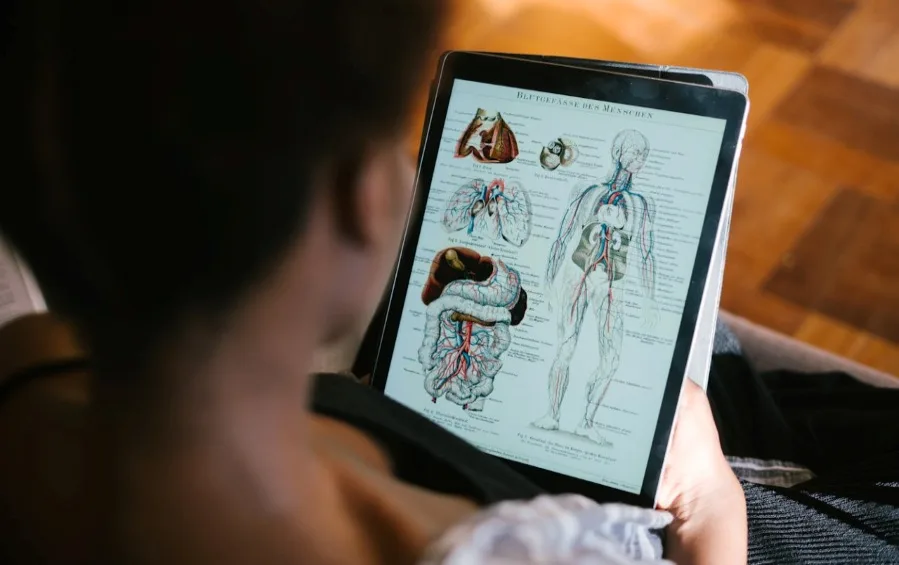
After the kratom is ingested and absorbed into the bloodstream, the liver begins to break it down by way of small proteins known as enzymes. Different enzymes are involved in breaking down the different active compounds, and metabolites are generated. Metabolites are substances produced during metabolization, including both substances produced by the body and the product that remains after the ingested substance is broken down. During the metabolization process, the compounds and metabolites generated interact with the brain’s receptors to trigger kratom’s effects.
Special Effects
The special effects of kratom typically kick in within 30 minutes after ingestion, although that can vary depending on the means of consumption. Other factors that affect kratom metabolism include the size of the dose, the strain, body composition, diet, hydration, and individual tolerance level. The effects of kratom can last anywhere from two to five hours.
Once the active compounds in kratom have produced their effects, the body begins to eliminate them. This process involves the kidneys and the liver, which work together to clear both the parent compounds and their metabolites. Most of the resulting metabolites are eventually excreted through urine.
How Long Does Kratom Stay in the Body?
If you’re concerned about drug testing at work, possible drug interactions, or other factors, it’s important to understand how long kratom stays in your body. The metabolization process can take a different amount of time for different people depending on a variety of factors, including:
- The size of the dosage
- Frequency of use
- Body composition
- Individual metabolism
- Genetic factors
- Hydration levels
- Diet
- Health conditions
- Other substances consumed
There are some general estimates, however, for how long kratom stays in your system.
According to some estimates, the half-life for kratom is around 24-48 hours. However, some experts say the half-life for new kratom users can be as short as three hours. In a biological context, half-life refers to the amount of time it takes, on average, for the body to eliminate half of a given substance.
It typically takes around 5-6 half-lives for the body to clear a substance completely. So, it should take around a week for the average body to clear itself of kratom, but specific experiences can vary.
Kratom and Drug Testing
Even if there is still some kratom left in someone’s system, however, that doesn’t mean that it will show up on a drug test. The most common drug test used by employers and government agencies, for example, doesn’t even test for kratom. These standard-issue tests are designed to detect THC, opiates, PCP, cocaine, and amphetamines. A comprehensive 10-factor drug test, however, may pick up kratom, as would a specialized test designed to detect kratom’s chemical components.
Among drug tests that might identify kratom, the window for detection can vary depending upon the nature of the test. Blood and saliva tests might only detect kratom consumed in the last day or two, while a urine test might identify kratom consumed in the last week. The detection window can also vary by person for the reasons discussed above.
Kratom’s metabolism in the body is a complex process involving absorption, enzymatic conversion, distribution, and eventual excretion. The active compounds, primarily mitragynine and 7-hydroxymitragynine, interact with the body’s systems to produce effects similar to both stimulants and depressants.
While the plant’s metabolism is relatively well understood, there is still much to learn about the specific mechanisms. If you’re concerned with drug interactions or with the potential results of a drug test, it’s best to give yourself some additional time. The estimates about the metabolization process are not exact, and the time frame can vary significantly from person to person.
Best-in-Class Kratom Products at Joe’s
Whether you’re just testing the waters or you’re still figuring out which kratom strains work best for you, Joe’s Botanicals has the kratom products you’re looking for. We offer premium quality kratom at a price you can afford, and we’re all about customer satisfaction.
Check out our online shop for a wide selection of kratom veins and products, and feel free to reach out with any questions about our products or services.


